This Film Shaped Our Very First Impressions of Israel
Upon its release, an Egyptian columnist, Adel Hammouda, called the film "the latest example" of "Israeli misery."
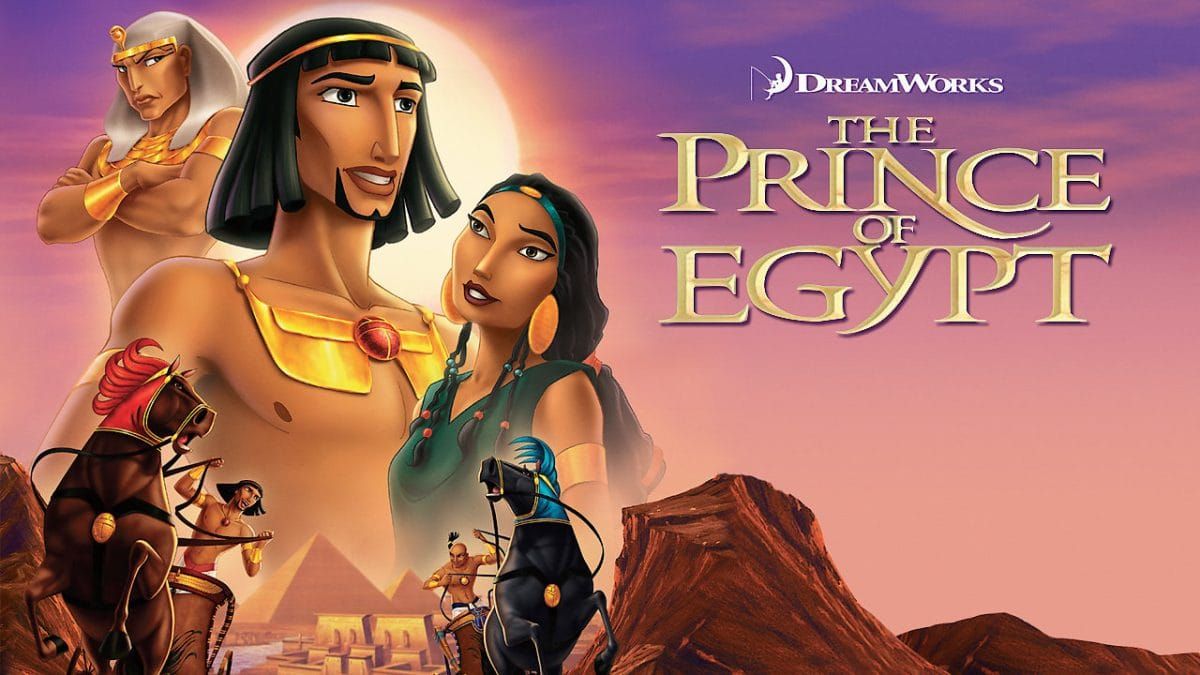
Alright, you caught me red handed!
I missed last week's email.
I did, indeed, spend a solid hour, hour and a half, writing an article about how the film The Prince of Egypt framed 90s kids' first impressions of Israel.
But I very quickly realized the topic was too complex for a 500 word email article. And constraints on my time just won't allow for that kind of a deep dive.
Suffice to say, as an all-American, Jesus-loving, Sunday school attending 90s kid, I loved The Prince of Egypt. I was and always have been fascinated with ancient Egypt.
But the film firmly formed my childhood belief that modern Jews are the ancient Israelites (the Palestinians probably are) and that Jews are a particularly oppressed people–just because they're Jewish, and for no other reason.
Now, that's just the effect the film had on me. Was that the intended effect? I don't know.
Upon its release, an Egyptian columnist, Adel Hammouda, called the film "the latest example" of "Israeli misery."
An Egyptian film director, Hani Lashin, called the film "poisoned honey." He further said "[the film] contains intentional distortion and works for the benefit of Jews, who claim they built the pyramids. If this is true, why didn't they build a pyramid after their exodus from Egypt?"
The film's creators (three American Jews, Steven Spielberg, Jeffrey Katzenberg, and David Geffen) say that they consulted over "300 biblical scholars, theologians, archeologists, Egyptologists, clergy, and religious leaders," including Muslim leaders, about the project to make sure they'd gotten it right.
And that's about as far as I got in my research. That's where it became apparent that to dance any further around the film's intent vs. its actual effect, I'd have to do a bunch of research.
I simply don't have the time.
So, I wanted to scrap the entire article.
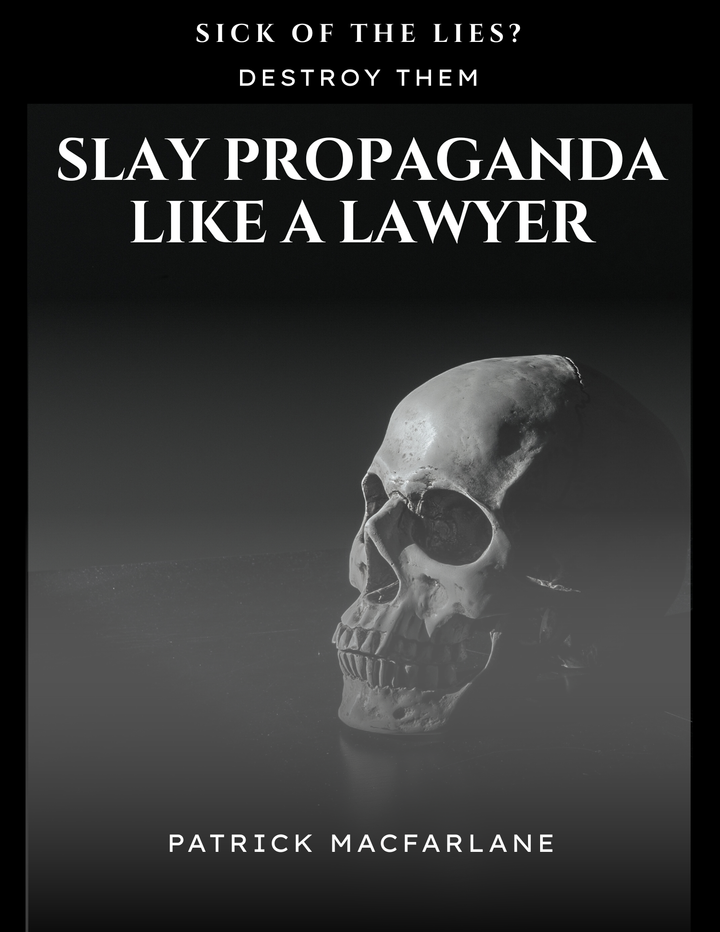
But revisiting it, a particular lesson jumped out at me—one that could have been included in my eBook Slay Propaganda Like a Lawyer.
Propaganda functions just as much from what we are told vs. what is withheld.
So, I figured I needed to finish this piece in one way shape or form. By not telling it, I was changing my narrative.
Was the film your first introduction to the Israel/Palestine debate? How did it frame your conception of the Middle East as a whole?
Let me know in the comments.
If you enjoyed this piece, please forward this email to another 90s kid you know!
NOTES IN THE MARGIN
Sunday night, I was supposed to reunite with Keith Knight for an interview about Slay Propaganda Like a Lawyer.
However, my kids just would not go to sleep, so I had to reschedule.
See how it's been a struggle to put out content the last few years? Each day, after all is said and done and the kids get to sleep, I have an hour and a half of time to myself.
If the stars don't align, I don't always get that chance.
At any rate, we are looking to reschedule.
If you haven't yet picked up your copy of the eBook, download it for free here (you must be signed in as a free email list subscriber).
Comments ()