What It's Really Like Inside the Criminal Justice System
We have this impression that there is an objective "rule of law—" that the law is uniform, monolithic; that there is a single "correct" answer or result that the law provides. This is simply not the case.
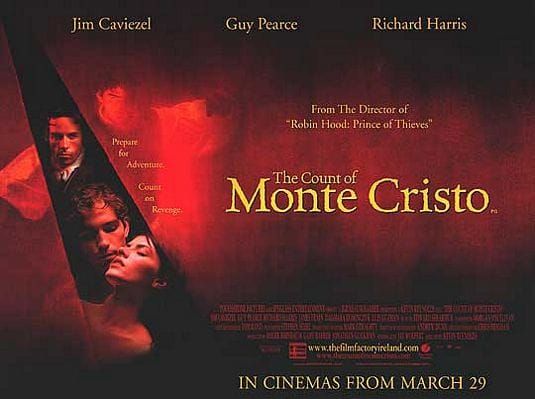
Picture this: you're an illiterate French sailor pulled from your wedding banquet by royal gendarmes into the office of a deputy crown prosecutor.
It's not a public hearing.
You have no written complaint formalizing the charges against you.
You have no lawyer.
You have no right to confront your accusers.
You have no right to present evidence on your own behalf.
You have no right to remain silent.
Worst of all, you have no judge and no jury!
Instead, the deputy crown prosecutor views the evidence, realizes the case implicates his own father, and sentences you to life imprisonment in order to protect himself.
This was the fate of Edmond Dantes, the famous protagonist of The Count of Monte Cristo.
For the last two months I've been struggling my way through the unabridged version of the book.
It's like 480,000 words depending on your translation.
All this time I've been mediating on this essential insight I've learned over my career as a trial lawyer.
We have this impression that there is an objective "rule of law—" that the law is uniform, monolithic; that there is a single "correct" answer or result that the law provides.
This is simply not the case, as John Hasnas explained in an excellent law review article entitled "The Myth of the Rule of Law."
A large part of that myth is excellently portrayed in the "Count of Monte Cristo:" the law is created and implemented subjectively by imperfect (or just plain corrupt) human beings.
We have this impression that our judges, prosecutors, police officers, politicians, and—gulp—defense attorneys—are on a different playing field.
We like to believe they are endowed with a special competency that others do not possess.
In part, this belief is what makes society function—we have to have that faith in our institutions if they are to have any legitimacy.
Likewise, that expectation pushes us to do the absolute best job we can for our clients and redoubles our commitment to due process.
But on a fundamental level, whole cases might come down to what type of mood the prosecutor is in when asked for a special plea deal.
It might even depend on whether your defense attorney's kids kept her awake half the night.
In one related example, studies have shown that some judges may give harsher sentences right before lunch—because they're hangry. Seriously.
So in sticking with our theme of dark fiction reflecting dark reality, let's meditate for a second on the absolutely immense impact Alexandre Dumas had on the development of the justice system in writing the quintessential epic of one man's wrongful conviction...
...and his quest for revenge.
Just think of how many people Dumas was able to influence by crafting an unforgettable narrative. I mean the thing came out in 1844 and we're still talking about it today.
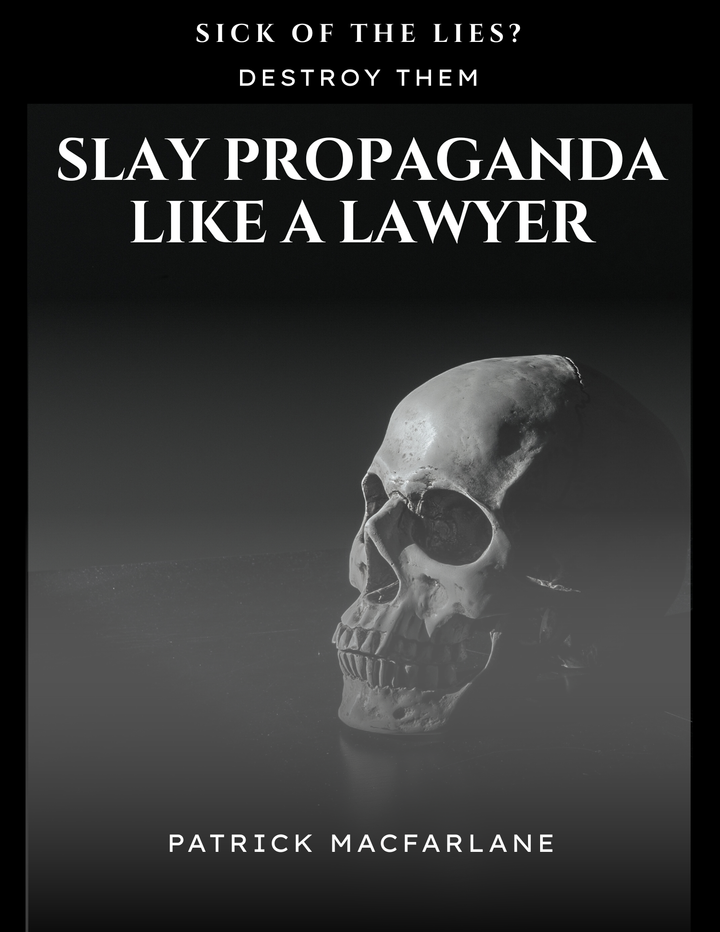
So, as we learned in my eBook, "Slay Propaganda Like A Lawyer," whoever tells the best story wins. Dumas definitely won.
If you haven't gotten a copy of "Slay Propaganda" yet, Free Subscribers can download it here, just make sure you're logged in.
If you aren't subscribed to my free email newsletter yet, sign up here to get more posts just like this to your inbox every week and get a copy of that eBook.
Alright, hope you enjoyed—I'll see you again next week with more insights. Hopefully I will have finished the book by then.
NOTES IN THE MARGIN
Please let me know what you think about the email content lately—simply reply to this email! It helps to know what you want to read.
Don't have time? Just hit the thumbs up or down below.
Also, my wife is out of town for the week. I stayed behind with our two oldest boys. I am trying to find the best night to have our first supporting member's office hours. I can't do it until she gets back Sunday–I am assuming a Friday night or a weekend night would be best for you all?
If you're a Supporting Member, please let me know your thoughts about a time by replying to this email. Also please send me questions or topics!
Thanks as always for your support!


Comments ()